

Do you have lots of great content
sitting on your hard drive
or on other people's platforms?
Would you like you & your project
clearly defined & expressed
-
on a beautiful website
-
or by consultancy?
River Watts
“This is the space to share a review from one of the business's clients or customers. ”
River Watts
“This is the space to share a review from one of the business's clients or customers. ”
River Watts
“This is the space to share a review from one of the business's clients or customers. ”
River Watts
“This is the space to share a review from one of the business's clients or customers. ”
River Watts
“This is the space to share a review from one of the business's clients or customers. ”
River Watts
“This is the space to share a review from one of the business's clients or customers. ”
River Watts
“This is the space to share a review from one of the business's clients or customers. ”
River Watts
“This is the space to share a review from one of the business's clients or customers. ”
River Watts
“This is the space to share a review from one of the business's clients or customers. ”
River Watts
“This is the space to share a review from one of the business's clients or customers. ”
River Watts
“This is the space to share a review from one of the business's clients or customers. ”
Digital archives, sites, social & more for unique projects & people

Sites


sk.jpg)


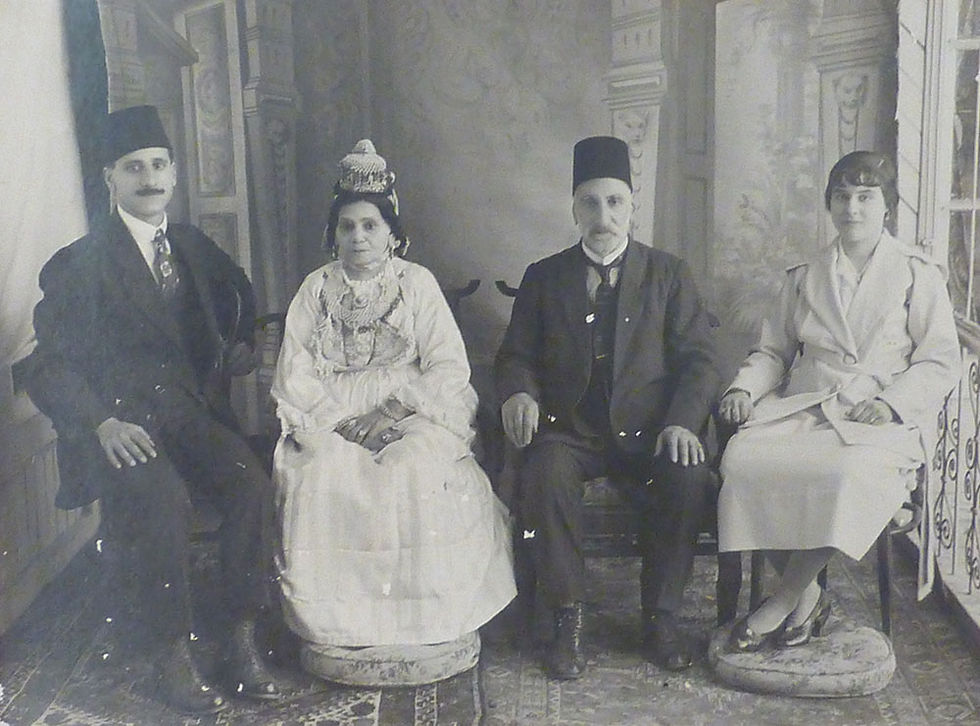


Consultancy & Archives


sk.jpg)


![Piotrków Trybunalski Ghetto, Poland, 1942: Mala Tribich MBE is 12:
"Rumours started circulating that there's going to be a deportation. So people were in panic, trying to find ways of saving themselves. Escaping the ghetto into the forests, in the sewers, into the open. Some had friends outside who’d perhaps save one or two members of the family. And there were people who were doing it for money, saving Jews.
"My father & uncle, Joseph Klein, were introduced to a man from Częstochowa, a beautiful town about an hour & a half away from Piotrków. This man was willing to hide two Jewish girls during the deportations but he was doing it for money. That was a business arrangement. This man actually came from Częstochowa into the ghetto. He was smuggled in. I remember them sitting around the table & discussing things.
"He was paid in advance & we were to travel to Częstochowa one at a time with him a week apart on false papers. He'd pick me up first then come back for my cousin. But my aunt pleaded with him that since they only had one child & I was one of 3, would they take my cousin first. He said no, insisted on taking me first. So he came back for me & a week later for my cousin.
"Now, travelling itself was very scary because if you're sitting in a train with a lot of people & if someone looked at me for longer than a few seconds I immediately thought: they're suspecting me of being Jewish. It was really terrifying. There was actually a reward for handing in Jews, so there were people there on the lookout for Jews. It was a scary journey but we both arrived there one at a time & found ourselves in a big house on the outskirts of Częstochowa with a middle-aged couple. The man who made all the arrangements was their son-in-law, who lived around the corner with his wife & child.
"These people weren’t particularly nice to us but they didn't ill-treat us. They just left us alone. We were very scared. We were supposed to be relatives who'd come to stay from Warsaw – Warsaw because we would be not so easily identified from a large town as a small town. My cousin Idzia was younger than I: she was 11 & I was 12. She was so homesick she couldn't bear it…"
[MORE↓]](https://scontent-sea1-1.cdninstagram.com/v/t51.29350-15/470068370_1768669617011182_9056857870928209622_n.jpg?stp=dst-jpg_e35_tt6&_nc_cat=101&ccb=7-5&_nc_sid=18de74&efg=eyJlZmdfdGFnIjoiQ0FST1VTRUxfSVRFTS5iZXN0X2ltYWdlX3VybGdlbi5DMyJ9&_nc_ohc=GmQPcoP-0oUQ7kNvwGuMCOD&_nc_oc=AdkvbQgVboGtVSNvK7T_exvdMj_VMYqWn7hdcsS7QC7rxWArhtyyF1dR4htTjC3kd18&_nc_zt=23&_nc_ht=scontent-sea1-1.cdninstagram.com&edm=ANo9K5cEAAAA&_nc_gid=MT2A7TUn0LMpBXtR_EHDTA&_nc_tpa=Q5bMBQFE_uVS06ZZolsuvZtEGAcaGWe5y7q-KAHoH0R1ySgPn97SupyaRgtD_2rbIQ5HqBhOd19USRif&oh=00_AftVajE_KhtPHu9EwomxAOY2s55zx2E6UpJKxrLfl5uezg&oe=69A6D873)
![Nitra, Slovakia, September 1944: Miriam Freedman, her sister, mother, cousin & uncle & aunt go into hiding in a flat:
"At nighttime, the caretaker used to bring us food. We sat there, never able to talk, no toys or books or anything. Things becoming all the time worse. The caretaker was fantastic. Sometimes Germans came in looking accommodation for the officers. So what did the caretaker do? He changed the lock of the flat & said the owners were away & nobody can use this flat. He was very clever, the caretaker. He changed the locks.
"I can’t remember having a shower or a change of clothes. The caretaker had a daughter my age. They had a problem: why is her mother now cooking a lot of food? So the little girl had to be told about us, but she went to school & children often tell secrets they shouldn't. So they actually threatened her to death, the people who saved our life, if she revealed anything to anybody.
"The caretaker helped us because he was paid, but also because he was a communist. He disagreed with the Germans. At first my uncle had a little money. Eventually it ran out. But my uncle promised after the war that he'd be compensated. By that stage it was as bad for them as for us. If they're caught, if they reveal they're hiding Jews, they are in same position. They know they're going to be killed as well, if we get found.
"Once we were nearly caught forever. A drunken official came with about 20 soldiers, Hlinka Guard or Nazi, I do not know. They said: we know there are Jews here, we are going to find them one way or another. The caretaker took us down to the cellar. He'd carved a hole there. We went 8 people into this hole, like sardines. The size of this sofa, 8 people, lying together, when there was a rumour that the building is going to be searched. I don't remember ever eating, or going to the toilet. It was like you blocked it, are in a state of denial. You don't want to believe it happened. Next to our hole, in the basement, soldiers used to come regularly to exercise. A tiny wall between us & this big room where the soldiers were exercising. If you cough, we had it. So we had this continental quilt with big feathers…"
[MORE↓]](https://scontent-sea1-1.cdninstagram.com/v/t51.29350-15/469828135_898374439098017_2724478548963232599_n.jpg?stp=dst-jpg_e35_tt6&_nc_cat=104&ccb=7-5&_nc_sid=18de74&efg=eyJlZmdfdGFnIjoiQ0FST1VTRUxfSVRFTS5iZXN0X2ltYWdlX3VybGdlbi5DMyJ9&_nc_ohc=A0dLrPeIN_4Q7kNvwHu_7Bf&_nc_oc=AdlgnplTkRWeNkqnypfrGFujF2DZhulyZXRjIIHrfqECyyMvRsOxiS5BN9PwhheVISY&_nc_zt=23&_nc_ht=scontent-sea1-1.cdninstagram.com&edm=ANo9K5cEAAAA&_nc_gid=MT2A7TUn0LMpBXtR_EHDTA&_nc_tpa=Q5bMBQGcKEnSoe6J33hC8-CR6Sb34riTbCf4qPJloPILH343d8OO-K5Y2A609Zt_OO2nNK3EPlQlczfe&oh=00_AfsccB8Ickv1M4dph5l99UWwE9-1ZvnhGx7G9rnRQViU_g&oe=69A6AF0F)


![Ruth Jackson came to Britain on a 1939 #Kindertransport & attended Red Oaks boarding school.
"I was led upstairs to an empty dormitory & told that the very end bed was mine & I should have a bath & come down to tea. I felt miserable. It was empty & cold & horrid-looking. There must have been 10 rows of beds on either side. I went to the bathroom & sat there in floods of tears & I thought what would my mother be doing now & how did she get back home, & is everyone alright & tears were just running down my face & there’s nobody to scrub my back.
"Then there was a knock on the door, ‘would I please hurry up & come down’. So I hastily got out of the water & my daydreaming, put clean clothes on, & a schoolgirl showed me the way down, there were a few girls still there, & we sat down to what was called High Tea. I was given my first cup of tea with milk which I thought was horrible. I couldn’t eat anything & they looked at me. Some of them tried to talk to me. I couldn’t understand what they were saying. I felt a bit like an animal in the zoo. I wished they wouldn't talk to me at all.
"But, anyway, finally the meal was over and they all went home. I seemed to be left there & nobody else in this empty school for the summer holidays. Teachers had gone, there were a few domestic staff there. One of the maids showed me round the garden & showed me the library. The Headmistress then called for me & said I ought to write a letter home to say I’d got there alright, would I show her the letter before I sent it? So I did & I thought she probably doesn’t understand any German, but anyway I showed her the letter. I suppose she posted it. I had a look at the library, at the books about Australia, & I thought: maybe one day I’ll go there. Then I had to go to bed in this forlorn dormitory, & I couldn’t go to sleep, & I just lay there under the bedclothes sobbing away thinking why on earth did I have to come here, why did all this have to happen? Eventually I did fall asleep, only to be woken by one of the maids to say it was breakfast time & that there were some children coming from the East End of London, for the holidays…"
[MORE↓]](https://scontent-sea1-1.cdninstagram.com/v/t51.29350-15/469133136_1143450000543124_4477301008872205162_n.jpg?stp=dst-jpg_e35_tt6&_nc_cat=104&ccb=7-5&_nc_sid=18de74&efg=eyJlZmdfdGFnIjoiQ0FST1VTRUxfSVRFTS5iZXN0X2ltYWdlX3VybGdlbi5DMyJ9&_nc_ohc=mC5NGabUfoIQ7kNvwHBPwtz&_nc_oc=AdnqIBtZj89u9IMU5eSEv3ZKic_66UHQAy8PhIk9ApSW8W-XxpqCD6rnZ7BzvIyRGbQ&_nc_zt=23&_nc_ht=scontent-sea1-1.cdninstagram.com&edm=ANo9K5cEAAAA&_nc_gid=MT2A7TUn0LMpBXtR_EHDTA&_nc_tpa=Q5bMBQGB93BmJSlA5Nk5551ypiLNMRZjZdCoE3TUiy2IlMiUDGmiXR33QWJCryh5Se53LtAiS-gUBHFS&oh=00_AfuPopgmidqTo_7fH8xfyxfiNRLl9MBTQmZOcF0ytWSohQ&oe=69A6B12F)
![Trude Silman MBE, Bratislava, wartime:
"My mother is a question mark. I know she survived ‘til 1944 because we used to get the odd occasional 25-word Red Cross letter, but then it stopped. I really don’t know exactly what happened to her. Initially she was in Bratislava. I’m given to understand she worked as a nurse in the Jewish hospital. Eventually she must have moved out of there & gone further East when there was the Slovak uprising. As far as we can gather, but we have no proof, she went out one day & never came back.
"They assumed she was one of the people who was picked up & shot. But we have no clear evidence as to what actually happened to her, we believe she was sheltered by a Roman Catholic priest, & we actually had some proof of this, because, after the war, the priest’s housekeeper somehow or other sent us a letter telling us about some possessions of my mothers, which they were placing with another aunt. But we’ve lost the letter so we’ve no idea what, where & how. I’ve never been able to trace it. If you don’t know the place, if you don’t know the name, if you haven’t the time, if you don’t speak the language, it is not easy to do. So we hope that possibly still some literature will come up from somewhere. The Red Cross haven’t been able to trace her & there’s no record.
"She seemed to lead the sort of life that most of her sisters lived. They did their basic cooking, they did their shopping, they met in the coffee house to talk, they went to each others’ houses & that was basically it. But my mother was a very early riser. She used to go & do the market shopping very early in the morning, about five in the morning when the market started, I remember that. She was a fabulous cook, & unfortunately I never picked it up, because I was too young at that age to learn about those sorts of things.
"It's a tragedy, a real tragedy, what happened to my parents. I only found out relatively recently that my aunt & uncle managed to get them a post as housekeepers, domestics. My father was already well in his 50s, & he decided he was too old to make that sort of a commitment…"
[MORE↓]](https://scontent-sea5-1.cdninstagram.com/v/t51.29350-15/468756953_557935007087348_6806703608491619073_n.jpg?stp=dst-jpg_e35_tt6&_nc_cat=111&ccb=7-5&_nc_sid=18de74&efg=eyJlZmdfdGFnIjoiQ0FST1VTRUxfSVRFTS5iZXN0X2ltYWdlX3VybGdlbi5DMyJ9&_nc_ohc=2NWQrBH9dpgQ7kNvwHUm8Zj&_nc_oc=AdkSoObY3_KUHDr_dYXp_5BWdGTQI7dPafyG1a98VUkZOhi_RLH_GSskE-EwVqPdq8c&_nc_zt=23&_nc_ht=scontent-sea5-1.cdninstagram.com&edm=ANo9K5cEAAAA&_nc_gid=MT2A7TUn0LMpBXtR_EHDTA&_nc_tpa=Q5bMBQEbBMh7Sz-V5JOU6thraArzFEWVNUXSXsjZoh8JoBJU96wj9dER4JgGbVSK11RvWOhTsjEPh3gI&oh=00_AftZzDkeeRph2JZx1ugvEk9R51isHOtMOYpsNAwg8RWIwA&oe=69A6DB40)
![Hans Danziger's Jewish parents survived the war in hiding in Berlin.
"My father had nerves of steel. Before the war, Jews were obliged to put ‘Israel’ in front of their names. My father refused. He said his name wasn't Israel & nobody was going to tell him what to do. So he was hauled up before the magistrates, who sentenced him to 3 weeks in Spandau. He went to prison. My mother was absolutely terrified of what they were doing to him inside, came to meet him at the prison gates with bags of sandwiches in case he’d been starved. He said, “Put those away. I couldn’t eat a thing more.” In the evenings, he said, the warders used to come round to his cell, & say, “Come on Danziger, tell us. What are these idiots doing to the Jews? He told them what was going on & they were amazed.
"Another time, when they were hiding during the war, he'd been somewhere & was coming through the railway barriers. My mother was waiting for him & somebody jostled my father. My father turned around & offered to punch him in the face. My mother nearly died. They had no papers, nothing. My father said to her afterwards “If I'd cowered, they might have been saying, ‘Are you a Jew or something?’” He said, “As it was, nobody dared question it.”
"Another day, he was on the tram, having been to the country to fetch eggs & butter & so forth from a farmer. Black market. He was on the tram & some Nazi with a big swastika in his buttonhole said to him, “What have you got in your case?” My father said, “I've got butter, eggs, sugar, a bit of this, leg of chicken.” The chap says, “Yeah, yeah. In your dreams.” My father said, “Just shows you my son, always tell the truth.”
"This is how they first hid: my father was working in Daimler-Benz. One day, the Jews were told to stay behind. My father thought, well, this does not bode well. So he put his hat & coat on, & went. The gatekeeper said to him. “A bit early, isn't it?” My father said “I've got a dental appointment.” “OK, see you tomorrow.” He obviously hadn't been told to keep the Jews in. So my father went. God knows what happened to the rest. My father went straight to the underground, took off his yellow star…"
[MORE↓]](https://scontent-sea5-1.cdninstagram.com/v/t51.29350-15/468677342_927985155951257_7062888087179288016_n.jpg?stp=dst-jpg_e35_tt6&_nc_cat=103&ccb=7-5&_nc_sid=18de74&efg=eyJlZmdfdGFnIjoiQ0FST1VTRUxfSVRFTS5iZXN0X2ltYWdlX3VybGdlbi5DMyJ9&_nc_ohc=o-FQW68QGFcQ7kNvwHu9qLn&_nc_oc=Adket6Z8iub_DVH7Hh-jlUK7UilVNxqZ-Qf-lCVh73aG_lLbWPSSDYZAuxaYYJG96lY&_nc_zt=23&_nc_ht=scontent-sea5-1.cdninstagram.com&edm=ANo9K5cEAAAA&_nc_gid=MT2A7TUn0LMpBXtR_EHDTA&_nc_tpa=Q5bMBQG3HQVr9k4KzMvDQwUkBI7ELUrAWdwLgQbDepRvIVrDvfjd0j7TCAaNXf2AgsB5_extJ7mYLNVD&oh=00_AfuR4-MvIrxKjm8O0NO4h9C9iBeMBiaKxRNmDD2vyNLkqA&oe=69A6AE22)
![Harry Bibring, Vienna, 1938:
"It was perfectly OK to try & obtain Jewish property by purchasing it at a peppercorn price. There was actually an official place in Vienna called the Vermögensverkehrsstelle where a Nazi could go & say, “I’d like to buy a tailor’s shop”, or,“I’d like to buy a flat”, or whatever. I picked up some documents in the '70s in the Austrian State Archives (@staatsarchiv): a man wished to buy my father’s shop for 5,000 Reichsmark, about £200. It was argued that my father’s shop was in debt. That wasn’t surprising, because he hasn’t any customers since the Anschluss. If it had happened, my whole life would have been different. Because my father would have lost his shop to these people. I don’t know why it didn’t go through. If it had gone through, the shop would have survived the war. I would have come back after the war, got my father’s shop back, possibly lived in Vienna. Follow in his footsteps. That’s a possibility. But because that didn’t happen, on #Kristallnacht it was destroyed.
"What happened was this: on November 10 my father disappeared. The last employee that my father still had working for him, a non-Jewish man, a family friend, he phoned up & said my father hadn’t arrived at the shop. We found out afterwards that my father was arrested, together with other men from our block, from surrounding blocks. They were transported by a van to a jail, & locked up for 10 days. 12 to a cell. Fed on bread & water under the cell flap. No exercise whatsoever, except to bring them out for the wardens to amuse themselves & abuse them in various ways. We didn’t know any of that.
"Later that same day, Nazis came to our flat. And took my mother, [sister] Gerti & me, initially to the headquarters of the local Nazi Party. There were eventually about 30 women & children in this room. We were then marched through the streets for about an hour, flanked front, back & sideways with guards. And brought to a flat way out from where we lived. Some woman’s flat, a Jewish woman, living alone, in a large flat. She wasn’t told we were coming. We were told we had to stay there until further notice. We were actually relieved…"
[MORE↓]](https://scontent-sea5-1.cdninstagram.com/v/t51.29350-15/468362305_516851517982087_1511746188619287669_n.jpg?stp=dst-jpg_e35_tt6&_nc_cat=110&ccb=7-5&_nc_sid=18de74&efg=eyJlZmdfdGFnIjoiQ0FST1VTRUxfSVRFTS5iZXN0X2ltYWdlX3VybGdlbi5DMyJ9&_nc_ohc=fomAXGVcHHYQ7kNvwEZdjwY&_nc_oc=Adncjsy1FliLrfzHAhEfqh-CTSz0P_ZyFjjRWjRsWRMtclVJQTj6d-1FnC35WOEywwg&_nc_zt=23&_nc_ht=scontent-sea5-1.cdninstagram.com&edm=ANo9K5cEAAAA&_nc_gid=MT2A7TUn0LMpBXtR_EHDTA&_nc_tpa=Q5bMBQEGYmxTbw-o195zCTCB2GUU73H_BE305HVUc7qwLKlwoXvUwII-5wgkLSE_o_4Nv2YOAfPZTV0Y&oh=00_AfvnyezGGGSY6NfGielnTodG6hOpkibphvu4sJLLXy5Cjw&oe=69A6B8EE)
![Lilly Lampert came to Britain from Vienna on a #Kindertransport in 1939:
"All I know: I wanted to come to England to be with my sister Gertie. I didn't know I wasn't going to see my parents again, because they landed up in Theresienstadt. I shared a bedroom with my parents until my sister left & then I got her room. She came to England 6 months before me. She got somebody to guarantee me, because in those days you couldn't just come to England. She had a hell of a job to get somebody to put £50 pounds forward. I was always doing things. Playing with my dolls, making dolls clothes. Television stops all that, a lot of things I used to do. I brought 2 suitcases. Clothes & one doll. You know, you can't just bring things to England. It had to be a certain weight only.
"When Hitler marched in, they welcomed him with open arms, didn’t they, the Viennese? That's all I really remember. Things were hidden from me, because I was a little girl. Now all the young kids, they know everything. But in those days, anything not nice was sheltered. My parents were going to follow me. My sister tried desperately to find somebody to – for my mother to be a cook somewhere & my father, a gardener, which he'd never done his life before. But somebody had to say, ‘Yes, he can come & do my garden’, just to get out. But war came.
"The train ride was at nighttime. We left on the 13th. I always tell people 13 must be lucky for me, otherwise I wouldn't be alive. I wouldn't have left Vienna. I would be dead like the rest of my family. It was just a normal journey. I was 9. My sister met me at the station. She took me back to her place, one room somewhere. She went to Bloomsbury House. They managed to find me a place in The Beacon in Rusthall. A girl's hostel. She put me on the train & someone met me on the other side.
"I must have been quite nervous. You don't know the language. You don't know where you are. Terrible, but I survived. But we had 3 lakes. It was a lovely place we lived in. Now it's a sort of hotel. 5 days after I arrived someone I knew from Vienna came there. Mela. She was thrilled to see me. We became good friends until she died…"
[MORE↓]](https://scontent-sea5-1.cdninstagram.com/v/t51.29350-15/467845555_4003836123179497_2603199452756724342_n.jpg?stp=dst-jpg_e35_tt6&_nc_cat=103&ccb=7-5&_nc_sid=18de74&efg=eyJlZmdfdGFnIjoiQ0FST1VTRUxfSVRFTS5iZXN0X2ltYWdlX3VybGdlbi5DMyJ9&_nc_ohc=JQA-NKOz9s0Q7kNvwEJRIU_&_nc_oc=AdlXVP553tgf_IyEs8xo6ZdqYA61uCpuCgu5SOgnB1WcQU0vti85W5OYjw0hrNbl9Vk&_nc_zt=23&_nc_ht=scontent-sea5-1.cdninstagram.com&edm=ANo9K5cEAAAA&_nc_gid=MT2A7TUn0LMpBXtR_EHDTA&_nc_tpa=Q5bMBQGKalqMG6WavssCXpvAbDin0sNtph0eDu6iXUP7jGZEf3RAkyMOp31t7nD3LSRN2fcYT9JotZU9&oh=00_Afv5EYvRyt1T_q7zndFjEHfmsEqhdfn3708LxTtM5_-dag&oe=69A6BF97)
![We are so sorry to hear of the death of our interviewee, the renowned violinist & teacher Gyorgy Pauk, born Budapest, 1936. Gyorgy came to Britain in 1961. He lost both his parents in the Holocaust. We are very grateful for his testimony & our thoughts are with his family.
"Once when I was very young my parents took me walking & I was apparently singing the Mendelssohn Violin Concerto. Some people asked my parents, “Do you know what your child is singing?” “Yes, yes.” I must have heard it from my mother, who played quite a lot of chamber music. They were very, very loving parents, who realised that they had a young child who also was very talented, musically. Apparently, I was a naughty boy, because while my mother was teaching & playing with violinists in the other room, I would shout, “Out of tune!” Apparently those playing out of tune weren't very happy about that.
“So I grew up with music, & on top of that, which was very, very lucky, in the same house where we lived, Sziget utca, lived Olga Néni, perhaps the most well-known violin teacher in Budapest for young children. When my parents realised I had talent, then they took me to this lady. And she started to teach me how to play the violin. It was at very short distance from the 3rd floor to the 2nd floor. So that's how I started. I was perhaps 5, 1941, ‘42, when I started to play the violin
"I wanted to show that I wasn't playing out of tune. I loved the sound of the violin. Perhaps, together with the cello, it's the most ‘singing’ instrument. I always tell my students nowadays: you have to play the instrument like a good singer. I was very lucky to have such a good teacher. How you start to play an instrument is absolutely vital for your future. The basic technical know-how. How to hold the violin, how to pull the bow, how to coordinate the two together. I had the best teacher available. Many, many young, talented violinists started the violin with her, who later became quite well-known players. I spent the first nine years studying with her…"
[MORE↓]](https://scontent-sea1-1.cdninstagram.com/v/t51.29350-15/467486820_1072862034326225_4509240471135737841_n.jpg?stp=dst-jpg_e35_tt6&_nc_cat=108&ccb=7-5&_nc_sid=18de74&efg=eyJlZmdfdGFnIjoiQ0FST1VTRUxfSVRFTS5iZXN0X2ltYWdlX3VybGdlbi5DMyJ9&_nc_ohc=tLuYmYiPjxcQ7kNvwFAhLY1&_nc_oc=Adme9cuA8K9OJmMuqt2EwxpKPa5WE2nKhwMNM1LG930neuY03P-jMSVDF1ujTl40sxc&_nc_zt=23&_nc_ht=scontent-sea1-1.cdninstagram.com&edm=ANo9K5cEAAAA&_nc_gid=MT2A7TUn0LMpBXtR_EHDTA&_nc_tpa=Q5bMBQH48D0YOk8fkap0hLAIlvdZQhzi7f0w89nGd_AEnClBymNxc36vo8RVbL3SEdZbsuljaFzJkcGW&oh=00_AfuguTUgMqa18f6GfywGz2bHTgQCJm7oyghvkqa450Z4VQ&oe=69A6BAC7)
![Ruth Jackson, Eberswalde, early 1930s:
"One thing stands out in my mind. I went shopping with my mother & saw a man in front of me with a swastika burnt into his skull. It made a terrible impression on me & I asked my mother why had he done that, it seemed a bit stupid. She said he had been in a sort of prison, that he didn’t very much like the Nazis & he’d spoken against them & he was taken into a prison & they put it in there so that he would always remember that. That made a big impression on me.
"In early 1933, Hitler came to Eberswalde as he toured Germany. All our windows faced the square so we saw all these people gathering, thousands of people, marching, singing, swastika flags flying, & a podium was set up for Hitler. There was a knock at the door, my father was in Berlin. My mother opened the door & I heard her arguing with a man. In the end she let him in. We were forced to put a swastika flag out of our windows, which of course my mother didn’t want to do. She hung the banner right below, as low as she could get below our window sill. I thought she would fall out. I was hanging onto her skirts. We were told that if we didn’t it would be so noticeable: Hitler would be facing our windows. We put the wooden blinds down but you could still hear him shrieking & shouting. But we couldn’t see him—or I could through the slits of the blinds.
"When they all went we were able to breathe again, but my parents decided it was best to move back to Berlin. Because you are not so noticeable in a crowd as you are in a small town. In Berlin we lived near the Reichskanzlerplatz, which was duly changed to Adolf Hitler Platz.
"I was 7. I made friends, the teacher seemed to like me, I got on quite well, until one day my mother was asked to come to the school. I was given a note for her. I was afraid, wondered what I had done wrong, nobody said anything, I was just asked to give her this letter. Well, the letter was for her to come to the school, which she did. She told me I wasn’t going to go back to that school because the other parents objected to their children being in a class with a Jewish child. So that was the end of that school…"
[MORE↓]](https://scontent-sea5-1.cdninstagram.com/v/t51.29350-15/467447465_1098379015289437_8765139841773183170_n.jpg?stp=dst-jpg_e35_tt6&_nc_cat=107&ccb=7-5&_nc_sid=18de74&efg=eyJlZmdfdGFnIjoiQ0FST1VTRUxfSVRFTS5iZXN0X2ltYWdlX3VybGdlbi5DMyJ9&_nc_ohc=u3WDltiPMy8Q7kNvwFSVM6K&_nc_oc=AdkD6BSpR-RNP4sZ887hPIw4Ll7F1fyBZ_rY00WFeaM04eg2Q97uwH8rswOuvQH0Swo&_nc_zt=23&_nc_ht=scontent-sea5-1.cdninstagram.com&edm=ANo9K5cEAAAA&_nc_gid=MT2A7TUn0LMpBXtR_EHDTA&_nc_tpa=Q5bMBQGCPdnBtHJefwHDkR2ppkXU5bdttV40p4gxW5crrU3YwtsQgdQ0GF20I9Hy3NT96qVJnDyic6U4&oh=00_Afu35wcGGeoLvLQIG3YU98DYKRIsLF9UfjECuJjXPU8Q0A&oe=69A6B8A9)

![July 1938: Bridget Newman's father, mother & brother emigrate to Britain. Bridget, age 6, remains in Berlin with her grandmother.
"I was stuck. Then one day, the doorbell rang: a Gestapo. He came in, he was really rather nice. He had white hair & a big, white moustache & really quite kindly blue eyes. But he apologised, really, really apologised that he would now have to take this house & we would have to go. But we had to go quite quickly. I was in a bit of danger, because my father hadn't paid the Juden tax & they were looking for me.
"My grandmother couldn’t be with me anymore. She found a safe house for me, with a lady, Mrs Grünbaum. I’m sure she was a very good woman but I disliked her intensely. My grandmother had some flat or dwelling place near me. But we were only allowed to meet in the wood secretly. I had to eat potato soup with sausage in it. Nowadays I love it. In those days I hated it & I didn’t eat. I shared a room with other children & nearly every night the Gestapo were hammering at the doors of the house, looking for adults. Quite scary, a lot of noise & clatter. We were trying to sleep.
"My parents sent an Englishwoman over to try to help me. She found a place for me on a train bearing orphaned children to London. We had a day & everything. And on the day, I woke up, itching all over. What was the matter? I had chickenpox. Now, with any illness or disease, I would not have been allowed on the train. So, they clothed me with I don’t know how many layers of clothing, to cover all the spots [laughs]. And also, to take more clothes out, because I only had this small suitcase & and 10-shilling note & a big notice on my chest saying, ‘Both parents dead.’ I wouldn't have been allowed on the train otherwise, it was for orphans. This was mid-December 1938. I said goodbye to my old nanny. We both cried bitterly. & she said, ‘Why don’t you stay here with our lovely Hitler?’ I had no answer for that.
"I don't remember Kristallnacht. I just remember I got this teddy bear & was shoved to this safe house. The lady who came to arrange for me to go to England insisted I had to call her 'Auntie' & wear white gloves…"
[MORE↓]](https://scontent-sea1-1.cdninstagram.com/v/t51.29350-15/466787131_950731370450441_491083581309507392_n.jpg?stp=dst-jpg_e35_tt6&_nc_cat=108&ccb=7-5&_nc_sid=18de74&efg=eyJlZmdfdGFnIjoiQ0FST1VTRUxfSVRFTS5iZXN0X2ltYWdlX3VybGdlbi5DMyJ9&_nc_ohc=BhxNi4-JIzoQ7kNvwGGaFRc&_nc_oc=Adl29hFGRI18QFne5HAl9LZJ5sa2s46Bn6a1hZEOeKwbP12lqtEAVSKeqhEB_rpurb0&_nc_zt=23&_nc_ht=scontent-sea1-1.cdninstagram.com&edm=ANo9K5cEAAAA&_nc_gid=MT2A7TUn0LMpBXtR_EHDTA&_nc_tpa=Q5bMBQG1dur7DGb2tF3oP3xRxVkmN3Ee8iodPBPYBoGj-7wOML6KPbuqHlGnbwCjSTbMvc1TYEYt9aI1&oh=00_AfuWMOqzQmhV9ID--ILMmuV7ijoFcQgdCKwbMPzRkrObUA&oe=69A6BF56)

![Ruth Jackson (12), Berlin, #OTD 1938:
"For the Nazis, you didn’t have to do anything wrong, you just had to be Jewish. On the day before #Kristallnacht, the Nazi Youth went round & painted a big white ‘J’ or wrote the word ‘Jude’ meaning ‘Jew’, on all the shop windows in Berlin, so that was an easier target for them. On the actual night I was woken—my parents told me to get dressed, & we all sat & waited, because we could hear all the noise down the roads, of lorries, people being—shouted, being pulled out of their homes.
"There was a furrier opposite us & he had two small children. They were pulled out in their nightclothes & shoved onto the lorry. It was a very frightening experience. I was waiting for them to come into our house any moment now, but somehow we got missed out. It was a corner house & they went round the corner & they took a young family with a baby. I really couldn’t understand what they could have done wrong. So we sat there waiting & finally with a lot of shouting & banging, a lot of noise everywhere, glass flying, the Nazis left.
"My mother made the usual cup of coffee & said, ‘Now we can go to bed’, but we really couldn’t go to sleep any more. The next morning she told me not to go to school, but I was fond of school so I went, only to find that my school had been ransacked. We had vines growing up the school & we enjoyed harvesting the grapes, but they had all been pulled down. The books were all smouldering from the fire in the foreground. The building was a new building so it was very much of a concrete block, they couldn’t do much there but the glass windows of course were broken, the furniture was broken or burnt. The Headmistress told us to go home again, very quietly, but in small groups, which we did.
"After that, my parents thought it was best that I went to another school again, which I did. The new school was not far away from the KDW, if you know where that is, it’s a big store, on Joachimsthaler Strasse, it was called the Josef-Lehmann-Schule. So I went there, just for a short time, until I emigrated. After going to the new school I used to quite often walk…"
[MORE↓]](https://scontent-sea1-1.cdninstagram.com/v/t51.82787-15/624996955_18084744359272624_157125462821537696_n.jpg?stp=dst-jpg_e35_tt6&_nc_cat=101&ccb=7-5&_nc_sid=18de74&efg=eyJlZmdfdGFnIjoiRkVFRC5iZXN0X2ltYWdlX3VybGdlbi5DMyJ9&_nc_ohc=6n1ToHBTQSEQ7kNvwFeIOmK&_nc_oc=Adm0_4boh6aK2MFYiePshFoH0sUSfIctHwlk3OzYOmTx8O6o-kGYq6b1zDro0X0haKA&_nc_zt=23&_nc_ht=scontent-sea1-1.cdninstagram.com&edm=ANo9K5cEAAAA&_nc_gid=MT2A7TUn0LMpBXtR_EHDTA&_nc_tpa=Q5bMBQG6q5fJ7Vwi3IwrcdAS5yRHImMAVfecG-lhPXfReKSRqaF6f0I5sNQcYaXHFayJ5lGwDsBqBsrF&oh=00_Aftz_i7JEDzXn9aupOvNiS1ks4-cS-FjrgxDfj0eLaAFdw&oe=69A6D5AE)
![Marianne Summerfield BEM, Breslau, Nov 93, 1938:
"My father was asked to report to Nazi headquarters. Stupidly, although my mother told him not to, he just walked into it. My mother lost her milk immediately. She was feeding me & immediately lost her milk. The shock.
"He was sent to Buchenwald. My mother got very bad asthma. She's convinced it happened because of the upset with Kristallnacht & everything that was going on. My father had terrible nightmares for years & years afterwards. But when my daughter was born on the 9th of November, the nightmares stopped. Never had them again. It was as though it wiped the slate clean. My mother became very anxious after that. Always- ‘die Wände haben Ohren’ [the walls have ears]: you mustn't say anything as somebody might be listening. That carried on with her.
"My father had to write a letter to say that he was treated all right in concentration camp. Because Hitler didn't want the world to know what was going on. But my father signed the letter to my mother, 'Asor'. Your son, Asor, which is quite significant. Asor means not true. It’s Yiddish [אסור 'forbidden']. But my mother understood it immediately. That was a code word. Very difficult, it was very difficult.
"My mother wasn't very domesticated. My parents had a pet, a cat, & they had to get rid of the cat. Jews were not allowed to have pets. It had to be put down. But my mother was very brave. She dressed up & went to the Gestapo headquarters & flirted, & she was lucky. She was allowed in, because she was blonde & blue eyed, so they didn't think that she was Jewish. That saved her life, my life, my father's life. The Nazi official was very rude & shouted & said, ‘I'm not interested in you & your problems.’ My mother said, ‘Well, I'll wait until you've finished.’ And when he had finished, it took 5 hours, he changed & said, ‘I'll help you now.’ He helped find some missing papers…"
[MORE↓]](https://scontent-sea1-1.cdninstagram.com/v/t51.29350-15/465804278_3926361344302214_3339678503202768429_n.jpg?stp=dst-jpg_e35_tt6&_nc_cat=104&ccb=7-5&_nc_sid=18de74&efg=eyJlZmdfdGFnIjoiQ0FST1VTRUxfSVRFTS5iZXN0X2ltYWdlX3VybGdlbi5DMyJ9&_nc_ohc=rDPprzPnTGsQ7kNvwFHh_VK&_nc_oc=AdkTyCW5bnChC_flUR9ZI7-LsNZCneAcYOO1mKH0_iw4abrLG89Xm7_bbUou1DV-eso&_nc_zt=23&_nc_ht=scontent-sea1-1.cdninstagram.com&edm=ANo9K5cEAAAA&_nc_gid=MT2A7TUn0LMpBXtR_EHDTA&_nc_tpa=Q5bMBQEecjA2id3Z3o9YLup-05KeIltk8tKhj-Wl7op8GSbkw8-FJPkJjrmOWXN8xJsEuxC_FmDVu5mk&oh=00_AfvRVjbPRblS8g53_4x1PPm9S3rLVJugchbqifroNUoh6w&oe=69A6B78A)
![Eva Mendelsson, Offenburg, November 9, 1938
"When you're a child, when nasty things happen, you remember. It makes a tremendous impression, even if you don’t quite understand. #Kristallnacht. They came at 7am. They yanked my father out in his nightie. Two of those… I don’t know whether they were SA or SS. They took him away. Then my mother rang round & said, “What’s happened?” “What? Did it happen to you?” “They’ve taken Ed away.” They found out that everybody else was in the same boat. All the men had been collected. They did not desecrate the synagogue then, because it was attached to another building. But they took the Torah, threw it out of the window. They didn’t even know how to draw a Hakenkreuz. They didn’t make a good job of it. To desecrate the portion - it’s just horrific, yes?
"My father then disappeared then for 6 weeks. They took him to prison. They made them sing sing: 'Muss i denn, muss i denn zum Städele hinaus und du mein Schatz bleibst hier...' [I have to leave the town, I have to leave the town, but you, my darling, you stay here] 'Wenn i komm, wenn i komm, wenn i NIE wieder komm' [The original song lyrics are: 'when I come back', but she sings “'when I NEVER come back']. The 10-minute journey to the station took them an hour. People were looking at them. They made them wear a top hat so that they could make fun of them. You know, not very- not very nice.
"The journey to Dachau: I can’t tell you. They were kept at night in a prison. A fortnight later, my mother got a postcard. 'Es geht mir gut. Bitte beobachtet die Beschreibung.' In other words: 25 words we’re allowed to write.
"On the 20th of December, there was a ring on the bell. I went down, & I saw my father. I was afraid of him. I shouted, 'Mutti, Mutti, ich glaub’, es ist Vater!' [Mum, mum, I think, it is Dad!] His head was shaven. He had lost so much weight. I was a bit frightened of him, somehow, this bald head. It was just, you know, I was 7. My mother she came of course, & they had this reunion. Apparently that’s the only time that she’d seen my father cry. Then she went out & she did some shopping…"
[MORE↓]](https://scontent-sea5-1.cdninstagram.com/v/t51.29350-15/465805388_1616630192396398_2625137155169782482_n.jpg?stp=dst-jpg_e35_tt6&_nc_cat=111&ccb=7-5&_nc_sid=18de74&efg=eyJlZmdfdGFnIjoiQ0FST1VTRUxfSVRFTS5iZXN0X2ltYWdlX3VybGdlbi5DMyJ9&_nc_ohc=FZrf5hCGwB8Q7kNvwHPcXC2&_nc_oc=Admcg3MPffQjqiHwxdJyxF4err1x6wehqAeja57Iq287zzQWOd43s_lWLbtFpELtT40&_nc_zt=23&_nc_ht=scontent-sea5-1.cdninstagram.com&edm=ANo9K5cEAAAA&_nc_gid=MT2A7TUn0LMpBXtR_EHDTA&_nc_tpa=Q5bMBQERJ4y2aNVZrSlHVmgqe2SkapRUdMQtkSnrnYfe0sdCgm8uaZf871NjAdetz872rErZKEFDNigv&oh=00_AfsyU_-agpqtUaScUA5hMcaEiHiPI367MdmMabq9bAyp1w&oe=69A6A6D4)

![Vienna, 9/11/38: Liselotte Adler-Kastner's father Dr Ernst Adler is arrested. This is his written account:
"On our arrival in the 'Prater Kommissariat' we were herded into a small dark room. At the entrance sat a young SA man with a gun & a riding whip. When getting out of the lorries that had brought us we had to run the gauntlet of numerous Nazi sympathisers, who jeered at & beat the helpless prisoners, without the escorting police officers protecting us. I myself sustained some blows by fists & jackboots on that occasion.
"We stood for many hours packed tightly like sardines. It was impossible to move & we could hardly breath. At random the SA man singled out his victims, ordered them to come forward, forced them into a courtyard, where, judging by their heart-rending cries, they were beaten up in the most barbaric way. The poor selected victim had to be hoisted on to the shoulders & heads of his neighbours to enable him to reach the exit of the room. Each of us waited anxiously for many hours & wondered when his turn will come for this 'special treatment'.
"In the evening we were transferred into a school building in the 'Karajangasse' where I spent the rest of my imprisonment under the iron rule of the SS officers in command. During that time I underwent all kinds of humiliation & hardship, starvation & ill-treatment. My life was repeatedly endangered. For instance, we were ordered to stand motionless to attention for a whole hour, having been warned by the SS officer with his gun pointed at us, that everyone who would make the slightest move would be shot immediately.
"On November 12 the reprieve came for me unexpectedly, due to the fact that my services as a physician were still required for the treatment of the remaining Jewish community in Vienna. This saved me from sharing the fate of my fellow prisoners who were sent to the Dachau concentration camp."
Liselotte says: "My father was released then miraculously, but was completely broken. He was very badly wounded. After that he was always afraid & stayed with friends, never stayed at home. My mother began to make plans to leave. So this was a very difficult time."
[MORE↓]](https://scontent-sea5-1.cdninstagram.com/v/t51.82787-15/624239815_18041135702725021_1044702966330293014_n.jpg?stp=dst-jpg_e35_tt6&_nc_cat=107&ccb=7-5&_nc_sid=18de74&efg=eyJlZmdfdGFnIjoiRkVFRC5iZXN0X2ltYWdlX3VybGdlbi5DMyJ9&_nc_ohc=9qgC280ORKwQ7kNvwHQEztt&_nc_oc=Adms1hDeR21mgHTgePpDFA_r_E7WxI4EPdVBt1MGJJ8lu5WalyoeEUcOAZBOSj6aOOk&_nc_zt=23&_nc_ht=scontent-sea5-1.cdninstagram.com&edm=ANo9K5cEAAAA&_nc_gid=MT2A7TUn0LMpBXtR_EHDTA&_nc_tpa=Q5bMBQHj9D80kNlJRz2MagtCRI4DmsYAt3dfxteMbgi5TO_zjc-etVtaha_JUGBrOIMgHeK6ZA0N6gNY&oh=00_AftbZb_or6xgsKp-0lWjQCu8JV6fgietAiMMD4IZbsJYig&oe=69A6CABD)
![New on the site: Ivor Perl BEM, born in Makó, Hungary, who survived Auschwitz, Kaufering & Dachau camps.
"I was only 12 when I was taken to Auschwitz. I feel very, very hurt that I haven’t got many memories of my family. I think I've only got three photos. Painful.
"I'd give my children a hug when they were leaving for school: 'Give me a kiss, have a nice day'. But people living in that part of the world at that part of the time had couldn't afford that luxury. The antisemitism was constant. Growing up I accepted being called a dirty Jew.
Ivor was 7th out of 9 siblings.
"My brother Alec was the only other one who survived. He was 2 years older than me. We went together to Auschwitz & survived together. He looked after me. He saved me from the gas oven twice, literally. I was in the gate of hell when he saved me."
"When the Germans overthrew the Hungarian government [1944], from the following morning, edicts started coming out against the Jews, gradually. Jews mustn’t marry non-Jewish people. You must be home by 7. You mustn’t go from a certain street. Gradual, gradual, until the noose.
"We used to play football with non-Jewish friends. Those same boys, when the time came for us to be herded into Szeged ghetto, they were ones that herded us there. After the war my brother spoke to those boys we used to play with. He said, how could you do that to us? They said: Well, we didn't know what was happening. All we were told along was the equivalent of the Boy Scouts. The sergeant used to come along: tomorrow, turn up with a stick & we’ll give you ten shillings. And they turned up & their job was to herd us into the ghetto.
"My father & two other brothers were sent to the labour battalion & then to Auschwitz. One day in Auschwitz, my brother & I were walking along & he said to me: our father is here. I said: how comes? We used to have roll calls every morning & one day my father didn't come back. We've got the date of his sort of passing away but not the when or why, I've got no idea.
"As a young boy, you never realise the severity of it all. To show you how it was: when I first went on the cattle truck I laid down on the floor…"
[MORE↓]](https://scontent-sea5-1.cdninstagram.com/v/t51.29350-15/465110777_2142012376182696_6471043470162432153_n.jpg?stp=dst-jpg_e35_tt6&_nc_cat=102&ccb=7-5&_nc_sid=18de74&efg=eyJlZmdfdGFnIjoiQ0FST1VTRUxfSVRFTS5iZXN0X2ltYWdlX3VybGdlbi5DMyJ9&_nc_ohc=wAQYjLD3N1QQ7kNvwEGstl_&_nc_oc=AdlLBS6suFreALJA-C0r7n-zTJft5mFNfmpi4SY__Xf2hu6DqzFi36GzthGBGRvfYPs&_nc_zt=23&_nc_ht=scontent-sea5-1.cdninstagram.com&edm=ANo9K5cEAAAA&_nc_gid=MT2A7TUn0LMpBXtR_EHDTA&_nc_tpa=Q5bMBQGsckJRE23VNQ9GxmXMGGkA4ASrmavMXcguyMnURSrKidEuFF2lND3Yr5Al6K_55sVB6-QD0RKT&oh=00_Afs07YHpj9PCiT1NwLobZuce-FDVZY-UU4v76iXpWYjqBw&oe=69A6BCA3)
![Berlin, #OTD, 1938: Betty Bloom's father Joseph Schütz is deported back to Poland as part of the #Polenaktion.
"Unfortunately, at 6am, there was a knock on the door & two Gestapo officers marched in & arrested my father. He didn't even have time to say goodbye to us. They took him down the stairs. He was on the first transport of Polish Jews to—you know—deported from Berlin to a place on the Polish border. The Poles wouldn't let him in. They were left there in October without any clothes, without anything, without any heating, for months. They couldn't go back; they couldn't go forward until the Poles eventually relented & let them into Poland.
"My father made contact with his family. In Poland he went first to stay with his mother in a place called Nowy Sącz, not far from Jaslo near the Czech border. I don't know how long he was there for. We had one or two calls from him. I had a cousin left in Berlin who sent parcels to my father because she was in hiding but she managed to send parcels to my father which I've never forgotten.
"I know he ended up in Buchenwald eventually because a survivor from Buchenwald made contact with my mother & came & told her that he was with him in Buchenwald in '44. At the end of '44, beginning '45. I assume he was in the death march from Buchenwald to Bergen-Belsen. 15 years ago my husband & I went to Auschwitz. We searched the records in Auschwitz but found no record of my father. I don't know the exact date that the Red Cross contacted us & informed us that the last record they have of my father is in Bergen-Belsen in January 1945, which to us was the worst news we could have had. Because to survive from '38 to '45 & then to die like this.
"Now after these deportations to Poland was the Kristallnacht because one of the people whose parents were deported—you probably know his name, a young man, Grynszpan. He was so angry that he killed a German in Paris which gave the Nazis the excuse for for Kristallnacht.
"Following Kristallnacht, I was very aware of what's going on because even at 7 or 8, at the end of our road, there was a display panel for Der Stürmer—the Nazi magazine. I read it. I read anything I could read…"
[MORE↓]](https://scontent-sea5-1.cdninstagram.com/v/t51.29350-15/464827963_565347955873573_4817709593726548425_n.jpg?stp=dst-jpg_e35_tt6&_nc_cat=111&ccb=7-5&_nc_sid=18de74&efg=eyJlZmdfdGFnIjoiQ0FST1VTRUxfSVRFTS5iZXN0X2ltYWdlX3VybGdlbi5DMyJ9&_nc_ohc=o8aeUfj8IbMQ7kNvwGolGmK&_nc_oc=AdkJCTNc94ze1ERjBdgI3zET50U7l6Tm4wxaDyf6usIYIeQQ-SHztD0n467iuutxkw0&_nc_zt=23&_nc_ht=scontent-sea5-1.cdninstagram.com&edm=ANo9K5cEAAAA&_nc_gid=MT2A7TUn0LMpBXtR_EHDTA&_nc_tpa=Q5bMBQH8XTBmWsvbDZ9ePM5-w1clqkixuGRujRASxw_dOC_sajnMxxhoeJ46ZLBS7YPJemKvWFkutc0R&oh=00_AfufjqCTdBskUmofEmXm0XIrgiKP3FnuMnUgo49FWyPm7g&oe=69A6AE7E)

![Helen Aronson, Łódź Ghetto:
"In 1944, the ghetto was closed, everybody sent to camps. But the Germans decided: there's still some money to be made, so they chose a few hundred people to stay behind to clean the ghetto. My brother, myself & my mother, we were among them.
"Our job was to clean up the ghetto & still make a lot of money for the Germans, because you went into these rooms, dinner was on the table, nobody was in these rooms any more, so we had to segregate: the furniture separate, the crockery separate, everything in piles in the street and lorries—it was winter. Lorries used to come & collect it all & take it all to Germany. We knew that when this job was finished, we’ll follow the others to the camps.
"I had a job to clean the offices of the German officials. One of them was Gauleiter Biebow, Hans Biebow, who was in charge of the ghetto. I had to do the cleaning when no one was there, so it was very early in the morning or very late at night. At this time they put us into a different camp. I had a bed with my mother, we had a table & a little—like a Primus machine. We could cook a little bit.
"But every so often this Biebow, who was a drunk & whatever, used to have fun coming to the camp & few people could die or whatever. It was nothing. It was situated very near the Jewish cemetery. The driver of this Biebow, he was a Polish German. We made sort of friends with him & by money, we knew when he's due to go to the camp, so we used to stay in, don't go out, Biebow is coming, & so on. This chap, for money he was giving details & telling us.
"The right hand of this Biebow was a Mr Krumpf that I worked for. He quite liked me but I must not be seen, so I had to work at night, light fires, toilets, everything, or very early in the morning. So this went for a while. One day I’m cleaning the office of this Biebow secretary. There is a key in the drawer with a note: 'My name is Helena Schmidt. I’m not like Biebow. I will leave some food for you in my desk & here is the key, so just look at my desk.' Right, I opened the desk, there is some food & things. One day we decided to meet. Again, not allowed to be seen, behind some buildings…"
[MORE↓]](https://scontent-sea5-1.cdninstagram.com/v/t51.29350-15/463474794_814301173990501_8038018375913185096_n.jpg?stp=dst-jpg_e35_tt6&_nc_cat=105&ccb=7-5&_nc_sid=18de74&efg=eyJlZmdfdGFnIjoiQ0FST1VTRUxfSVRFTS5iZXN0X2ltYWdlX3VybGdlbi5DMyJ9&_nc_ohc=TKn1_MYB_nAQ7kNvwG0cY0b&_nc_oc=AdmvEZWPgvXLpOkwyi3kEgA45d48rafPDAntL1qQGtWUTqZCQqjksE01dyRuBPiRsjI&_nc_zt=23&_nc_ht=scontent-sea5-1.cdninstagram.com&edm=ANo9K5cEAAAA&_nc_gid=MT2A7TUn0LMpBXtR_EHDTA&_nc_tpa=Q5bMBQH45plA-OeBwOhkbpEfpXNEyujsTd7ODt9yo6N6oo1SdBzq8a_MekyOBtqe7NdkfCHtRWMzkVaD&oh=00_Afv0-Q50o7-hBAcrRTEXkob0Ib0Cs--GXJ_H0seeWirhdw&oe=69A6A601)
![New on the site: Miriam Freedman, who spent part of WW2 in hiding in Nitra, Slovakia:
"It's difficult. Children feel very protected. Everything goes well. Then all of a sudden you see terrible things, like people disappearing all the time. They caught them in the street. They just disappeared but we did not know why. Then we had to put some shutters on our little place because hooligans used to come around & throw bottles. There were rumours that things were better in Hungary, so they sent my brother & sister, hoping they'd be okay.
"Neighbours wouldn't play with you anymore. Quite dangerous to go in the street. There was an alleyway behind our building in Nitra near the synagogue. Sometimes people were beaten up. I was about 8, they send me out to buy bread & milk, because they didn't harm children.
"My father came home from synagogue & said we had to wear the yellow star. I was always a bit of a rebel, so I didn't stitch on & took it off when I left the house. Very dangerous but I didn't know. I didn't like it because it was so big. But every time I went to the grocery they'd say: 'Why do the grown-ups always send children shopping?' They didn't harm children yet, but called us names, dirty Jew. But I didn't have a yellow star, so I said, how do you know? [Laughs] I was such a cheeky girl. How do you know I’m Jewish? I could be a gypsy.
"One incident I cannot forget: a man came once to see my late father. There's a kiosk not far, he asked me: "Could you go & get me some cigarettes? If you do, next time I'm here I'll bring you a doll." I didn't have any toys. He gave me the money & I went to buy him cigarettes. I went to the kiosk. The man said: why doesn't he want come buy himself the cigarettes? Is he afraid he's going to be hit, bashed around? Why does he send a little girl? So they realised I’m Jewish but somehow they didn't want to harm me. So this I remember. And I came back. I gave him the cigarettes & he promised me a doll. Of course I never saw him again, & that was the end of him. We don't know what happened.
"Then the bank confiscated my father's money. So he had to do any labour work to keep the family alive. Then he was taken away…"
[MORE↓]](https://scontent-sea5-1.cdninstagram.com/v/t51.29350-15/463342167_1586795098931261_7109185997889963282_n.jpg?stp=dst-jpg_e35_tt6&_nc_cat=102&ccb=7-5&_nc_sid=18de74&efg=eyJlZmdfdGFnIjoiQ0FST1VTRUxfSVRFTS5iZXN0X2ltYWdlX3VybGdlbi5DMyJ9&_nc_ohc=Z2IcRo-nDd4Q7kNvwGcwKUT&_nc_oc=AdkdRcqSP4ICWl0Qjsh41YGD7cRoHHtStFzx2LmgnSHx2wvgW45C_1kc6HERCJCK3dg&_nc_zt=23&_nc_ht=scontent-sea5-1.cdninstagram.com&edm=ANo9K5cEAAAA&_nc_gid=MT2A7TUn0LMpBXtR_EHDTA&_nc_tpa=Q5bMBQFiScuKCrfKCAgmJx5zj-4o8vpJjQKhAIUU-BqVRNz0uq8W-dbkljYGpKtVZ0LscG0Hs_JOIhiS&oh=00_Afv_G6aJYTOEA8K4krYdQGuA7eQ-6_Y8yQgdL7pXvCPXBw&oe=69A6B918)

![We are sorry to hear of the death of #Kindertransportee Albert Lester who was 11 & a boarder at an Esslingen Jewish school during the November Pogrom:
"I was playing with a little car in the common room when there was this huge commotion, children were running, screaming. I opened the door & was swept away by the screaming children. I went down the corridor & into the dining room, down to the kitchen under the spiral staircase, over the kitchen garden, over the fence. There was a huge drop down to the pavement in front of a 3-foot high wall. I thought if I jump here, I’m going to break my neck [laughs] or my legs. Yhen I saw a little boy next to me hang himself on the top of the wall by the fingertips & let himself drop & I did the same.
"So, I got out, got down all right. Then a lot of the children ran down towards the town, Esslingen. Some of us ran up to a little wood. we sat down on some broken tree stumps & didn’t know what was going on. We just sat down & waited. Then we decided after about quarter of an hour, you know, we can’t sit here all day, so one of the girls—there were about maybe six or seven of us—there was one girl & we sent her back to school to do some reconnaissance. We thought a girl wouldn't be harmed, while a boy might. Anyway, she went & came back & told us, yes, she spoke to somebody & we all have to go back.
"So we all trooped back, didn't know what was going on. Then we saw really what happened. In the playground stood men with clubs & sticks. The front door, this beautiful oak door, was ripped off its hinges, all the windows were smashed. There was a beautiful marble imitation statue of Michelangelo’s Moses. The head was chopped off & it was rolling on the ground. All the bottom panels of the classroom doors were all kicked in & it was shambles.
"We were then told to go into a classroom where there were already something like 30 or 40 children whom they collected. There we were told to sit down & not talk, just sit there. We sat there, nobody cried, we were all terrified but we didn't know what was happening.
"Then I was looking at this big hole in the door…"
[MORE↓]](https://scontent-sea5-1.cdninstagram.com/v/t51.29350-15/462587181_1096918388463733_2138246781391530157_n.jpg?stp=dst-jpg_e35_tt6&_nc_cat=111&ccb=7-5&_nc_sid=18de74&efg=eyJlZmdfdGFnIjoiQ0FST1VTRUxfSVRFTS5iZXN0X2ltYWdlX3VybGdlbi5DMyJ9&_nc_ohc=tNgdeWWU2T4Q7kNvwHot_z0&_nc_oc=AdmqtYecAkUxfztQLFqGsFYSJgXn_m7MogX8r7c0KrgCGDME_XZScD3ubXnWX4khbSc&_nc_zt=23&_nc_ht=scontent-sea5-1.cdninstagram.com&edm=ANo9K5cEAAAA&_nc_gid=MT2A7TUn0LMpBXtR_EHDTA&_nc_tpa=Q5bMBQGrrG5hvfsth2iOQxYrIEBgLDMgrytWuBrZdR0rGUJbOD5qoI2u6wxuu08n_Ce8knA6vlYJpJju&oh=00_AfsAVrI5JMQb0D86dB2hP_W9OgAUfY3wetQtAUS-ypn2Ag&oe=69A6C7B6)
![New on the site: Helen Aronson, who was taken to the Łódź Ghetto in 1941 aged 14:
"We were taken to a disused prison. People were crying & hungry, not knowing anything. In the morning, Chaim Rumkowski, head of the Jewish Council of Elders of Łódź Ghetto, came to see us. He said: I will try & find accommodation for you but the main thing is to get a ration card & work, work, work. I'll do my best.
"So the parents of the children started to cry. They said, Mr Rumkowski, what has happened to our children? He said: don't worry about your children because my very good friend, Mordechai Chmura, who I worked with before the war in various orphanages, he volunteered & went with all the children from Pabianice & I know he will look after them.
"So when my mother heard that, she came to him & said, I’m Mordechai's wife. These are my two children. He said: I'll try & help you as much as I can. I must admit that he did because his power was like the Queen of England. Whatever he instructed you got. The whole thing was to be able to get a little bit more food.
"So my brother got a job in offices, liaisons between the ghetto & the Germans. Everything made in the ghetto went through these offices & things that came to the ghetto. He spoke fluent German. My mother worked in a canteen which was giving rations every week to people. I was sent to a orphanage in Marysin, near Łódź, a area which is a little bit green & wooden houses, summery things. There I was to look after orphanage children. They were not much older than I was & they all had to work. We made straw mattresses. I used to tell them stories, these kids, about Hansel & Gretel, that when they arrived at the orphanage, it would be made of bread [laughs].
"But at that time I was not well, I suffered with various cysts on my body through the change of everything. I was in hospital having something opened when the Germans decided to close the orphanage & evacuate all the children. [Gets upset] I know that when they were loaded on those vans, they were calling my name, something I can’t forget. Also they decided to send old people, so my mother went…"
[MORE↓]](https://scontent-sea5-1.cdninstagram.com/v/t51.29350-15/462364706_498448796505328_8998057484526459141_n.jpg?stp=dst-jpg_e35_tt6&_nc_cat=109&ccb=7-5&_nc_sid=18de74&efg=eyJlZmdfdGFnIjoiQ0FST1VTRUxfSVRFTS5iZXN0X2ltYWdlX3VybGdlbi5DMyJ9&_nc_ohc=g2SPRCyDWWAQ7kNvwGhluFn&_nc_oc=AdnR27yYHyLahiX2NfNBVuClLS0_W6dD_q-wpHsRvvATU-xcvgaQFmx1_psJZRSJjvA&_nc_zt=23&_nc_ht=scontent-sea5-1.cdninstagram.com&edm=ANo9K5cEAAAA&_nc_gid=MT2A7TUn0LMpBXtR_EHDTA&_nc_tpa=Q5bMBQG2eaubOo-RRxzFVYsoDCaDhWtrTVzXlDDrhrWVkPTo9rABFnwnUb5EY8aYWLq4z_HMbSzq53z5&oh=00_AfsCq2PytN69teXGPcdPp215H_MmIsnkizyQ_wQCZgdZUA&oe=69A6B1B3)

![New on the site: Gerta Regensburger, who came to Britain in 1939 via a Belgium #Kindertransport.
"I have no feelings & not many memories. I’m not a very retrospective person. It always amazes me that so many people remember every—cross every 't' & dot every 'i'. Not me. "Opposite our flat in Berlin was a children’s playground with a sandpit. I do remember clearly they had yellow benches where Jews were not allowed to sit."
“In 1933, when I was 5, we went to France for 6 months, to Nice. I remember my 6 months in Nice where I had my appendix out. I always remember that [laughs]."
The family returned to Berlin. Gerta was 10 when she went alone to Belgium in February 1939:
"I seem to remember doing some crying. Belgium was not a happy period. The families I stayed with first were terrible. So I went back to Brussels to stay a little while with my aunt. Then I went somewhere else, & then – it’s all very vague."
In August 1939 Gerta came to London to join her mother & brother.
"I can’t remember arriving. I can't remember if I spoke any English, I suppose I must have learnt it."
The family settled in Harrow but were forced to move in 1940:
"Harrow became what was known as a protected area. No bloody foreigners. Northolt Airport was not very far. My mother was sent to tribunal. She made the best category. She went to live in London & had various jobs in hotels so that she had accommodation. Then she had this job as a housekeeper in Epsom to a very, very nice family with whom we remained friends until they both died.
"I didn’t see my mother much during the War really. I was under 16 so because of school I stayed on with my guardian Miss Hollingsworth & then others in Harrow. I was very grateful. I slept for a time in what they called these shelters. Indoor metal shelters, like a cage. No special fuss was made of me at school. There were no other Jewish girls there. I don’t dwell on the past. I don’t have the obsession. The past is the past. If it makes people happy, fine. But it’s not my scene. I live in the present. I don’t need to harp back to what was."↓](https://scontent-sea1-1.cdninstagram.com/v/t51.29350-15/461727047_2645114319003820_7312044902028011429_n.jpg?stp=dst-jpg_e35_tt6&_nc_cat=104&ccb=7-5&_nc_sid=18de74&efg=eyJlZmdfdGFnIjoiQ0FST1VTRUxfSVRFTS5iZXN0X2ltYWdlX3VybGdlbi5DMyJ9&_nc_ohc=5jHWhDku5MsQ7kNvwH6iqvu&_nc_oc=Adk-398WvVBzGcRiapqAa9p7rpk_iWqxLOLT3ehO4Ls3F4M86qJciaSxBNpssA-egII&_nc_zt=23&_nc_ht=scontent-sea1-1.cdninstagram.com&edm=ANo9K5cEAAAA&_nc_gid=MT2A7TUn0LMpBXtR_EHDTA&_nc_tpa=Q5bMBQFdx6PjAKiNrPtnG-bmCr1Zh5XZTvTqtpSaKVzrhhLGTXgx4hGz_8aj_1irpZRfhksf83feRnnT&oh=00_Aftgiyc-Lywa5SYySF4kJZCFXTXmDPUaDsAGj5ljrSblGA&oe=69A6BBCD)

![New on the site: Jack Cynamon, who came to Britain in 1945 after spending part of WW2 in hiding in Belgium.
"My first recollection is aeroplanes in the sky in Brussels. One morning the sky was full of aeroplanes. There must have been 60. We didn't know what to do.
"My parents packed a few things, went to the railway station & embarked on the train, in a cattle truck with straw. The train went on & on for 5 days. They were fed by people at the stations, with food & water, they carried on until they reached the Pyrenees. My father worked on a potato farm, they both did, picking potatoes for a farmer, stayed there for about two months & then returned to Brussels because they found out that things weren’t as bad as originally thought. Actually, things were not so bad in Belgium until 1942. I can’t recollect going to school but I must have gone to school of some form.
"Then in '42 things started to get really tough. We all had to start wearing a Star of David. We were registered as Jews. My mother & father decided to try & escape. First they tried to get to Spain. hey found a guide, he took them all but at the border he decided to take their money & leave them. Then we came back to Belgium, & then they tried again. They tried a second time to escape to Switzerland & again the guide took their money & left them at the border.
"Then things in Belgium became really desperate. They decided to start going to a hiding place. The only way they had currency, my mother had small diamonds & a specially made shoe. She hid the diamonds in the heel of this specially made shoe. Then they went into hiding.
"The person that looked after them was a guy by the name of Cnudde. He worked for my father & was able to bring food & the like. He hid them in an attic, I’m not sure where. I was in that attic as well. Then they realised that they could not keep me in an attic. I was 8. I was too – I wanted to run & do things & do what boys do. So one day I remember walking along & we came along to a church & my father said goodbye to me & they left me with a priest, & that was the very last time I saw my father.
"There's an organisation called L’Enfant Caché…"
[MORE↓]](https://scontent-sea5-1.cdninstagram.com/v/t51.29350-15/461248590_2220136598356775_2925861407282208946_n.jpg?stp=dst-jpg_e35_tt6&_nc_cat=102&ccb=7-5&_nc_sid=18de74&efg=eyJlZmdfdGFnIjoiQ0FST1VTRUxfSVRFTS5iZXN0X2ltYWdlX3VybGdlbi5DMyJ9&_nc_ohc=xzPWgRAWAlcQ7kNvwETb4iT&_nc_oc=Adk5HOeLQWBeMGHksyiGhsA6Q-aM7IjgL15l9-lgwfKkDFm-QeZvs0P_hptR2EEVdFM&_nc_zt=23&_nc_ht=scontent-sea5-1.cdninstagram.com&edm=ANo9K5cEAAAA&_nc_gid=MT2A7TUn0LMpBXtR_EHDTA&_nc_tpa=Q5bMBQEaRtsWDPQ88L5y9vYE5lKuuAJZgoCbd6tfkQze09rQkUS0DIzpBMe7ecabz1c4DJvmTxdnT0r1&oh=00_AfvdMICwSnOiqvISwOGaVKhQfFCMYhPBwLnMg7ClKAmljA&oe=69A6C7AC)
![New on the site: Margot Harris, who came to Britain from Kassel with her family in 1939 after her father's imprisonment in Buchenwald.
"When we were packing for England, the Gestapo came & went through all the cutlery drawers & took the silver cutlery & this & that. My parents had expected this. So, in Germany, on the kitchen wall you had a salt cellar, oval enamel in white & blue. There was salt in it & my father put my mother’s jewellery into the salt cellar. He told us—they always told us what was going on—so we wouldn't look there. They came in with the big hats, turned everything over, the sofas, & they didn't find it.
"So when we went across the border from Germany into Holland, again the Gestapo came in & they went through all—people were taken off because they didn't have papers but we had our papers. My mother & father [laughs] had put the jewellery into little cigarette cases. In those days little girls wore bodices. We were told to put one case in each of our bodice & we went & looked outside & they turned the carriage upside down. We learnt to smuggle at an early age. So you get streetwise.
"I had a lovely little girl-friend, Rita. She lived around the corner, we used to go to each other’s houses all the time. We had a warning that we mustn’t talk to any strange men. So one day a man approached us: 'do you want some sweeties?' We ran off quickly because our mums had told us what to do or not to do. Little lessons you learnt.
"Rita was Jewish. On my return to Kassel they had listed all the people who had lived in Kassel & their fate, if they hadn’t been lucky enough to live—leave. I found Rita & her parents had died in the concentration camp. That was very sad. Another sad story: my father had a bookkeeper who had a Down’s syndrome daughter. He always brought her with when he came to do the books & I used to play with her. I saw in the book, in Kassel, that the three of them had died in a concentration camp. That was sad. It was very sad."](https://scontent-sea1-1.cdninstagram.com/v/t51.29350-15/461011963_855584106715259_6319166490190898871_n.jpg?stp=dst-jpg_e35_tt6&_nc_cat=100&ccb=7-5&_nc_sid=18de74&efg=eyJlZmdfdGFnIjoiQ0FST1VTRUxfSVRFTS5iZXN0X2ltYWdlX3VybGdlbi5DMyJ9&_nc_ohc=jqOC2Um31s4Q7kNvwEiLI4f&_nc_oc=Adn8sWAu8E0ifKbzxDztrisGohwVUZ3Hu0z2t-wkkQ3HN4ShE7Cy_y7b2z8fXLx2wg4&_nc_zt=23&_nc_ht=scontent-sea1-1.cdninstagram.com&edm=ANo9K5cEAAAA&_nc_gid=MT2A7TUn0LMpBXtR_EHDTA&_nc_tpa=Q5bMBQGXbdPF97H3NFV7ABwWoHtkkLRoogJGIK27my9NngeWCJ-kxQTJywU5ksvbalGN-dgWtFNUcVrR&oh=00_AftE1mOdNUvvGRu_oaFBMG2fS6bxIH-9dur8bLjEPmNJzQ&oe=69A6BABE)

![New on the site: Bronia Snow, who came to Britain in 1939 on a Nicholas Winton #Kindertransport from Prague:
"My parents always discussed everything. But not a word was spoken about my going to England. So I found myself one fine day, my mother packing a suitcase, me packing a little rucksack full of my doll, my favourite book & so on. On a platform of the main railway station, & getting on a train, with no idea it was going to happen. The platform was full of not only parents with children, but German soldiers with fixed bayonets. I was scared stiff. I thought: since they want to kill us all, why do they let the children, the next generation go? So I thought they would attack us, I was really scared.
"The idea was: my mother had a brother in New York who was very comfortably off. We were all going there. My parents & brother were going to pick me up in London, they were just waiting for a document called an affidavit which never came in time. I would have been an American person, instead of which I became an English schoolgirl.
"When I first arrived, I was frightened, alone. I didn’t speak a word of English. My aunt & uncle lacked my parents' warmth. They lived a life of luxury, with servants. It was a completely different atmosphere. The children were with a governess in the nursery, the parents were golfing, playing bridge, you know the sort.
"I had one last letter from my father, from Theresienstadt, saying, “We’re not starving, we have potatoes to eat.” Then I had the final notification. I was in the sixth form, 1939. One day before school, as I was getting ready, I had a notification informing me that on such & such a date, transport number so & so, my parents & brother were taken to Auschwitz. The Germans kept detailed numbers, records of the people they were going to murder. Thoroughly ridiculous. They were sent to Auschwitz & no more was heard of them.
"So I go to school--I mean that was a big shock, because all through the war I had lived in hope of being reunited, we were a very close loving family. So that as closure, I knew I’d never see them again. So I go to school as usual, [laughs], our headmistress announces:…"
[MORE↓]](https://scontent-sea5-1.cdninstagram.com/v/t51.29350-15/460505383_1539107903365755_1656656695156397330_n.jpg?stp=dst-jpg_e35_tt6&_nc_cat=109&ccb=7-5&_nc_sid=18de74&efg=eyJlZmdfdGFnIjoiQ0FST1VTRUxfSVRFTS5iZXN0X2ltYWdlX3VybGdlbi5DMyJ9&_nc_ohc=nXEcdfp3TQAQ7kNvwGZAVqv&_nc_oc=Adl1Ope2FxH_qUSZoM89QKTjRNEvAiCF0tsrAwy3uWzOVSP4O8bBwXQ7hxzq22AXXOo&_nc_zt=23&_nc_ht=scontent-sea5-1.cdninstagram.com&edm=ANo9K5cEAAAA&_nc_gid=MT2A7TUn0LMpBXtR_EHDTA&_nc_tpa=Q5bMBQGwF7fBEZ_Mujhus1yspmRro0S9yy2g5DwUNQObJc_txQQBuYKJsqmICpuVrrRQV4qTw18ePwRu&oh=00_AfsZHMaoJWBAlNI8NjiAnJ1I633Htl0K6gxsW17vAJ2rhQ&oe=69A6D727)
![New on the site: Simon Jochnowitz, born in Fulda, Germany, to Polish parents. Simon & his family came to Manchester in 1939.
"I remember Hitler on all the loudspeakers everywhere. You couldn’t escape it. I remember being in bed & saying “Oh I can’t sleep, I can’t sleep”. My mother said, “there’s nothing I can do about it. I remember them [Nazis] going through the high street. I used to go like that with that my hand [Nazi salute] until my sister said, “Don’t do that.” I wanted to be like everybody else [laughs]."
In late October 1938, Simon & his family were sent to the Polish border as part of the #Polenaktion.
"They wanted to get rid of all the Polish Jews. They came on Friday afternoon. I remember my sisters packing suitcases. Half were full of books. You don’t think straight. They put us in a van & took us to Kassel. It was the meeting point for all Jews who lived around that area. My father was able to make Kiddush: he had two loaves of bread. It was the first time I saw non-religious Jews. They were very different. Then we went on a train.
"They locked us in the train. Crazy. Why they locked us in lord knows, because we weren’t going to escape [laughs]. We got to the border to Poland, & a civilian policeperson came on & he said, "no". Because Poles had closed the borders, they wouldn’t let us in, fortunately. Then he said, "you can go wherever you want now." My father just couldn’t take it in, he was so wound up, he just couldn’t take it in. Then we were sent back to Fulda. Of course with efficiency they sealed our apartments, so we couldn’t get into our apartment anymore [laughs]."
Simon & his family came to Manchester with help from Rabbi Schonfeld.
"We took the train to Frankfurt & then onto Belgium. My mother wanted to get off & see her brother in Antwerp. But my father said, “You’re not getting off until we get to England.” So she didn’t see him. He didn’t survive. My cousin his daughter had two children from her first marriage. And those poor children, I think they went to a cinema in Brussels, & they were all ordered out of the cinema & shot on the spot. So, you know, they didn’t survive.](https://scontent-sea1-1.cdninstagram.com/v/t51.29350-15/459798657_1193345088559729_3333806614183117978_n.jpg?stp=dst-jpg_e35_tt6&_nc_cat=106&ccb=7-5&_nc_sid=18de74&efg=eyJlZmdfdGFnIjoiQ0FST1VTRUxfSVRFTS5iZXN0X2ltYWdlX3VybGdlbi5DMyJ9&_nc_ohc=GkbcJmS7PVIQ7kNvwFIqjro&_nc_oc=AdnoTJDIZd_W7W-3MAvJb64QSTGEeI2GCUFbtzv88tuw7hnnz5UWXczCRDgeGDxYksY&_nc_zt=23&_nc_ht=scontent-sea1-1.cdninstagram.com&edm=ANo9K5cEAAAA&_nc_gid=MT2A7TUn0LMpBXtR_EHDTA&_nc_tpa=Q5bMBQFDvLGef_SFmimaDno3lwXhxiCc-WZU1Bsh3o91yiKPqRzaQfGheO1f2GtosXu-Sk3zUdhCCXtf&oh=00_AfuAWLiTI6lUGeQvjezr68OqezuVxFLK2qLF-uoNk1bMkA&oe=69A6B3B3)


![New on the site: Maria Ault, who came to Britain on a #Kindertransport in May 1939.
"My first guardians were fine. But when we were evacuated in September 1939, we stayed with a very, very, very, very bad person who used to hit us. She didn't feed us properly. But who could we go to in Melton Mowbray? There was no Childline. She should have known better. She was a minister's wife. I was used as a cheap maid.
"One day, I was only 12, I was getting a lunch ready for a hotpot, which meant I had to peel onions & potatoes & carrots. And because I used the same knife for the potatoes & the onions, because I didn't change my knife, she hit me. Really hit me hard & said, ‘I've had enough of you, get out.’ It was raining. I took my sister & we walked through Melton Mowbray hand-in-hand. We had nowhere to go, nowhere at all. So, in the end, we were soaked. We went back & I think she was quite pleased to see us. I didn't tell anybody, how they ever found out...
"I think it might have been through my headmistress who used to have me in her study to give me extra lessons. I had my arm in a sling because my guardian was so cruel to us. I had very bad abscesses under my arm & I had my arm in a sling one day. My headmistress said, ‘Maria, what's – why are you wearing a sling?’ So, I told her. She said, ‘Let me look.’ So, she looked… She didn't ring that person up who I was staying with, she rang the doctor & said, ‘I'm taking Maria straight to the hospital.’ They said if I had – I wouldn't have lived if I had – not a few hours, because I was – it was blood poison.
"So we were moved, to a very nice house. But again, I was taken in as a maid. I had to leave school & be taken in as a maid. And one day I thought: is this my life? Because my parents were in Sweden, we didn't even know whether they were alive."
Maria grew up in Hamburg. "I was a very privileged little girl. We were brought up in a nursery with a nanny. Our house was always full of people & music. My mother was a singer & had a choir, they used to meet. And when they’d finished their tea up, my brother & I went down to the kitchen & took the cakes & ate them, which was lovely…"
[MORE↓]](https://scontent-sea5-1.cdninstagram.com/v/t51.29350-15/459204908_908324521344529_8251163405924553838_n.jpg?stp=dst-jpg_e35_tt6&_nc_cat=105&ccb=7-5&_nc_sid=18de74&efg=eyJlZmdfdGFnIjoiQ0FST1VTRUxfSVRFTS5iZXN0X2ltYWdlX3VybGdlbi5DMyJ9&_nc_ohc=lnjR5Gbs54QQ7kNvwFTpr-3&_nc_oc=AdmN21vVGAp3RutFKN-B-Iaf9ucEs53x5OrFpCAk_FmBb34Fhrq3Bpe9OK6xukmUzgM&_nc_zt=23&_nc_ht=scontent-sea5-1.cdninstagram.com&edm=ANo9K5cEAAAA&_nc_gid=MT2A7TUn0LMpBXtR_EHDTA&_nc_tpa=Q5bMBQH7SCzvecaFymJousxQ46kqQ-SOMdi0lU91NlRDPCml3bOcP48ZZ_qoRmfXbu9YitK43sueRWDM&oh=00_AfsRpLDVmN0W-d2fZajql5RqUHqR7lfJQac7IYoKHVHNbQ&oe=69A6DC09)
![Today is the 85th anniversary of the last #Kindertransport to reach Britain. 250 children left Berlin on September 1, arriving on September 2. Hannah Wurzburger, age 5, was on board.
"It's a bottomless pit. So absolutely appalling. Children are so vulnerable. Especially when they're separated from their family. I don't know how they can do this. The whole thing is just a nightmare. Terrible. It took a long time to... accept the situation that I had gone through."
Hannah's parents & most of her family were murdered in the Holocaust.
"I left Berlin when I was 5, so I don't have much recollection there. I do remember coming downstairs & saying, “Hello!” to my mother. And she said, “Oh you don’t have to say hello.” My father teaching me a few things in English: “Let me broom the kitchen”, for instance.
"I was on the last Kindertransport. It was September, a couple of days before they declared war here. I don't remember the journey. I seem to have a picture—whether it's made up or not—of being with lots of children. This train—I think I had actually a teddy bear. My mother I remember, I think, at the station. I don’t know how they got me there. It may be an imaginary thing. I don't know. What you think you remember is probably more important than what actually happened. I don't remember anything of the journey or arriving here.
"I had an aunt over here. A little while after I left Berlin there was a letter from my mother. A card perhaps with a photo. I can't remember exactly. But that was it. That was all. My aunt went regularly to the—was it the Home Office where you went, to inquire about refugees? Who had escaped & managed to come over? They had lists of names. She went there regularly. She was not worldly, she had such a struggle, she did really quite a lot. But she—she didn’t come up with any family names.
"I didn't understand my situation. I wasn't very worldly. I mean I just took everything that was thrown at me & there was quite a lot! You accepted it & relied on your fellow sufferers, if you like, for friendship & talking & so on. There was no... It all seemed to be very... narrowed down & concentrated…"
[MORE↓]](https://scontent-sea5-1.cdninstagram.com/v/t51.29350-15/458152579_492745510281407_3174033857922322846_n.jpg?stp=dst-jpg_e35_tt6&_nc_cat=103&ccb=7-5&_nc_sid=18de74&efg=eyJlZmdfdGFnIjoiQ0FST1VTRUxfSVRFTS5iZXN0X2ltYWdlX3VybGdlbi5DMyJ9&_nc_ohc=BN6QtHdQxs0Q7kNvwHTWdbU&_nc_oc=Adlh7uCostlOQOcS4UHub3kl33XdgzTfQns-Ok9XLs-FScd4Xw_ZbBxJiEMWzD5Cfqg&_nc_zt=23&_nc_ht=scontent-sea5-1.cdninstagram.com&edm=ANo9K5cEAAAA&_nc_gid=MT2A7TUn0LMpBXtR_EHDTA&_nc_tpa=Q5bMBQEN7ZM1IiPmIbngi3HuPbScjyB0bmAUGySAAieK8c6IxDdmqWCADQBlunljGy_wlZbG8yn5DNwF&oh=00_AfvuwsoB7C5ygF3EUzn3jeLhrTlXv3yVOm6SQDEtAjuj4w&oe=69A6D581)


![Poland 1940: Soviet troops force Izak Wiesenfeld & family to emigrate to Novosibirsk, Siberia.
"We were taken by lorries into the forest, to a huge barrack. The first speech: “You will never get out of here, here you will die & if you don’t work you won't get any food”.
"I was 14. I had to go to the forest to cut down trees & dry out swamps, difficult work. They used to give workers 1.2kg of bread. People who couldn’t work, or who were too young: 0.5kg. The bread inside was like clay, outside was a bit better. we had no vegetables, fruit, fat, sugar, or anything like this. Because of it we couldn’t see at night, we really lost some of our sight. But when war broke out, in 1941, they stopped all the bread as well. We had to live from what we could collect in the forest.
"During the summer we had strawberries, or mushrooms & all kind of things. That is what we had to live on for a long, long time. We were there with Russians who'd been there since 1917, since gulags & communism. They helped, knew what was edible.
"When we got malaria in Siberia, during the 3 months that it was hot—people think of Siberia as cold, that wasn’t the worst, the worst was the 3 months when it was hot, like a tropical country. Then it was like in the Torah, in the Tochacha [Leviticus 26] they say: “In the evening we waited for morning & in the morning we waited for evening”. In the evening when we came home we couldn’t sleep in the barrack, because there were the bugs, & outside there was the mosquitos, thousands of them, & then we waited for the morning. And we went to work in the morning in the forest & every bite you got your hand was swollen & your feet were swollen & you waited for the evening, so it was… it was very, very difficult.
"For malaria there is only one cure: quinine. Here, if you get malaria, you either get an injection or pills. There, after pleading & pleading & pleading, we got it in powder form. This is the bitterest thing in the world. We couldn’t take it, one Gulag said: get hold of an onion, get one of their thin skins, wrap up this powder in it, with a bit of water. That's how we could take it. But lots of people didn’t survive…"
[MORE↓]](https://scontent-sea1-1.cdninstagram.com/v/t51.29350-15/452340459_3693365844235395_9027082854737968564_n.jpg?stp=dst-jpg_e35_tt6&_nc_cat=101&ccb=7-5&_nc_sid=18de74&efg=eyJlZmdfdGFnIjoiQ0FST1VTRUxfSVRFTS5iZXN0X2ltYWdlX3VybGdlbi5DMyJ9&_nc_ohc=CYIl2zNOu2EQ7kNvwErIt8j&_nc_oc=Adly3XKUY6nusZJWGXO-lmK2UCB6ZYs9caoWWSsFMbvbHl7YGRmmqtmcxhUjzfbAsjw&_nc_zt=23&_nc_ht=scontent-sea1-1.cdninstagram.com&edm=ANo9K5cEAAAA&_nc_gid=MT2A7TUn0LMpBXtR_EHDTA&_nc_tpa=Q5bMBQH1FY2beUmS41D0yK6k6j0knTvRE5ZA6FcbqP9o6E_4bWT4QidiOaZsmWhyd2ArIodAEO_oD130&oh=00_Afsz8Awjju2_sXmTcdYo5MnzIgYXAyOs329pL3KwhCbtyg&oe=69A6AFB1)

![Sweden, 1945: Susan Pollack OBE (15) recuperates after liberation from Bergen-Belsen.
"It took a long time for me to strengthen my own needs. I made a friend & she made a very big, deep impression on me. A shared nightmare. Friendship, trust, sharing, being understood. But then she left, she met someone. I forget exactly the reason why she left quite soon. I missed her terribly. I still think about her. I never befriended the other survivors that much. They were older & more angry. We had felt vulnerable. I lost my youth.
"My treatment was based on just walking, slow walking. Being fed with good food, listening to music every night, gentle. That’s what I enjoyed very much, a peaceable existence. An existence where I could walk on my own if I chose to do so. Being understood, how lovely. How lovely when you’ve got a home & you’re being loved & considered & you mattered. What a great feeling. And of course, I didn’t have anyone."
Susan & her brother Laci were the only members of their 50-strong extended family to survive.
"My brother told me not to come home. I learned of his survival when I was in Sweden. He informed me, ‘Don’t come back to Hungary’, so where could I go? I’m just on my own. That oneness, aloneness. Then going to Canada, somehow it emerged. We were told that we could go to Canada. I didn’t know where it is located, what it is. That aloneness was a driving force, aloneness. The realisation, where do I belong? Where do I belong? So they took me to Canada & that’s where I met my husband-to-be.
"We were taken to Toronto. For 3 weeks we stayed in this home together. Then placed individually with people, with families. I was placed with a Jewish family. I became a kind of a Communist, because they were Communist & the Communists were very friendly. There was a son & a daughter, who wasn’t very friendly to me. I felt the loneliness there very much. Then, it was a problem, going occasionally to these meetings with the Communists could present a huge problem, living in Canada. So, we cut that off. Then I met my husband-to-be. They found a job for me. I had no education, nothing. Nobody suggested, ‘Ah, you could learn to speak English…"
[MORE↓]](https://scontent-sea5-1.cdninstagram.com/v/t51.29350-15/451972067_2477470032462609_6984022909593341013_n.jpg?stp=dst-jpg_e35_tt6&_nc_cat=111&ccb=7-5&_nc_sid=18de74&efg=eyJlZmdfdGFnIjoiQ0FST1VTRUxfSVRFTS5iZXN0X2ltYWdlX3VybGdlbi5DMyJ9&_nc_ohc=4qnv9mX3RoEQ7kNvwHPI1r-&_nc_oc=AdmJM9np3K6rAlV3qBZeHkTXN04OfYItoNi4eCDnoWXKzEeSMks0jichBVSp38Fr83I&_nc_zt=23&_nc_ht=scontent-sea5-1.cdninstagram.com&edm=ANo9K5cEAAAA&_nc_gid=MT2A7TUn0LMpBXtR_EHDTA&_nc_tpa=Q5bMBQG5dSCtPONuU1moxsTP2gHWC1TmLd49sGwmRpupxNuX3H1bQLHyZgOTwTHoPrSJ5dVGBv9gEENO&oh=00_Aft6I7aOZjTiN-Vl4cieEuMdAYc3s0o32S0D45eTcVDg4w&oe=69A6C3FC)
![Brussels 1942: Jacques Weisser BEM, 6mths old, is hidden in children's homes & hospitals. His father is forced to become an Organisation Todt slave labourer. His mother is deported to Malines & murdered in Auschwitz.
"I should've delved more into it, asking questions. But most of the time after the war I wasn't with my father. When I was he never wanted to about it. 'It was what it was, we survived, we made a life for ourselves'. That's what he'd say. He refused to be interviewed by the @uscshoahfoundation. Maybe being on camera wasn’t his thing.
"My father was already gone when my mother was taken in the street. The question is, who was I with during that period? Who looked after me for a few days before putting me in this Meisjeshuis [children's home]? It’s a blank. Nobody can tell, nobody knows & I have no memories. There's nobody to ask any more & no records. In my understanding my given name would be 'Salomon Weisser'. Subsequently 'Jacques' became my nom de guerre but in the Jewish orphanage, they misspelt my name & got my birth of date wrong. That's why the research has been so hard.
"In Belgium there were a lot of children that were somehow saved in one shape, form or another. There was quite a decent underground. A lot of them were Jewish communists, including my uncle, Chaim Weisser. He was responsible for Charleroi. His son was also a hidden child."
In August 1944 German officials decided to send the last orphans to Malines. The Belgian resistance hid the children instead. Jacques was hidden in the Ardennes with a boy called Bill.
"Many years later I found the lady who was involved in hiding in me in the Ardennes. I found her name, Mme Wittamer. I managed to make an appointment to see her but she never turned up. I subsequently learnt that she’d married & never told her husband that she’d hidden a child during the war. My father says that when he found me she didn't want to give me up. A lot of them didn't. She wanted to keep this child. He never talked about her either, which again I found subsequently difficult to understand because it was the last step, if you like, in the life story of being alive…"
[MORE↓]](https://scontent-sea5-1.cdninstagram.com/v/t51.29350-15/451164653_1190597655457875_5043274237755440994_n.jpg?stp=dst-jpg_e35_tt6&_nc_cat=102&ccb=7-5&_nc_sid=18de74&efg=eyJlZmdfdGFnIjoiQ0FST1VTRUxfSVRFTS5iZXN0X2ltYWdlX3VybGdlbi5DMyJ9&_nc_ohc=9gWAH_N9sKcQ7kNvwFIYAr_&_nc_oc=AdnFsCSrnuxJSBOZXGU69iBsTCAyXqLMF_ESrbewgiJ9wt5LCdAsgCuLZGezScR3kY8&_nc_zt=23&_nc_ht=scontent-sea5-1.cdninstagram.com&edm=ANo9K5cEAAAA&_nc_gid=MT2A7TUn0LMpBXtR_EHDTA&_nc_tpa=Q5bMBQFcpm4ka2AY7aSSX04py4YG0Zc0c395dJb3G4A-EJ-rnrNvGvhq1qax8uXHU4KnA7YiFt72itDQ&oh=00_AfsUjPjM45tsd3YIpHzqefcAUkSLbD1UEKpGR7XlR5qRcw&oe=69A6CDDE)
